
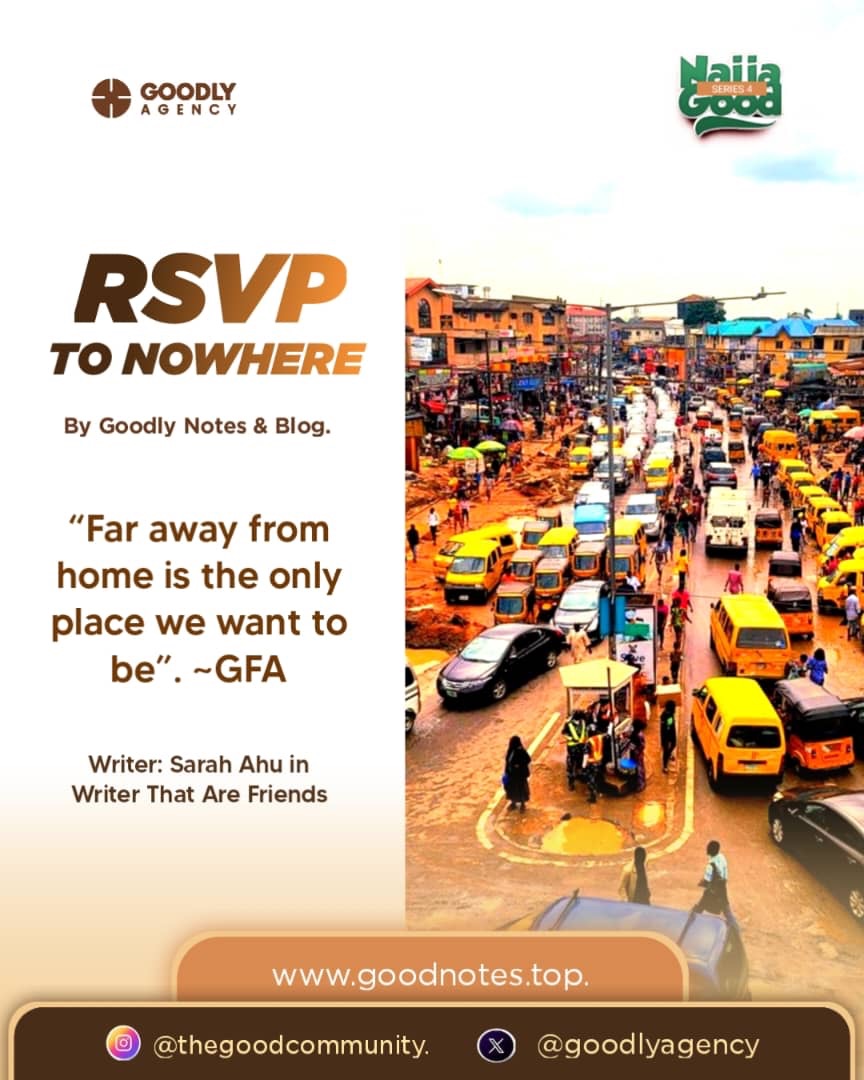
There is a specific, quiet moment every Nigerian girl knows all too well.
It is that moment in front of the mirror, ring light glowing, hair freshly laid, lip gloss popped, heels buckled, when you take a step back, look at your reflection, and breathe out a soft, satisfied, “Omo, I fine sha.”
You look like money. You look like comfort. You look like someone who has her entire life figured out, someone whose future is so bright you almost need dark shades just to step into the afternoon heat. You take three fast selfies, post a quick five-second video on your Instagram story with the caption “Outside for a bit,” and step through your front door.
But the moment your heels hit the uneven asphalt outside, reality slaps you back to factory settings. The dust settles on your clean shoes. The heat melts your powder. You stand by the roadside waiting for a Keke napep or negotiating fare with an Uber driver whose price just surged by 200 percent because of fuel queues. And as you sit in traffic, watching the exhaust fumes blow past your window, a hollow realization settles deep in your chest:
Where exactly am I going?
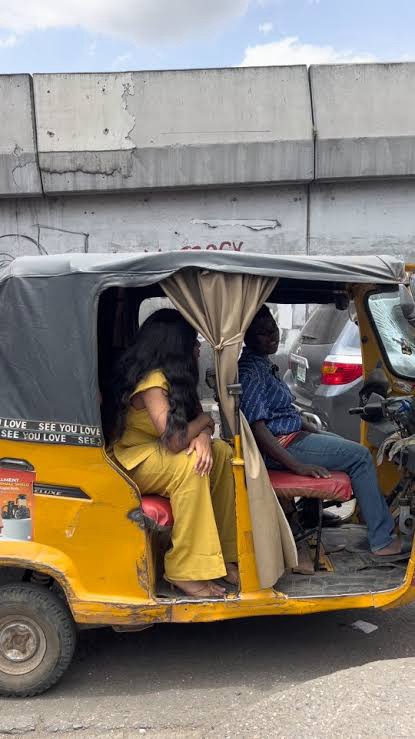
You are dressed up for a life that has not actually arrived. You have confirmed attendance, paid the price of admission, and showed up in your finest threads, only to realize you have been handed a VIP RSVP to Nowhere.
The Architecture of an illusion.
In Nigeria, we do not just live; we perform. And for a young Nigerian girl trying to find her footing, that performance is a full-time, exhausting job.
We live in a world governed by the gospel of the Soft Life. Scroll through your feed on any given Tuesday, and you are inundated with images of effortless living: aesthetic coffee shops in Abuja, sleek apartments in Lagos, minimalist vlogs, and girls who look like they have never breathed in generator smoke a day in their lives.
The world tells us that if we work hard, stay focused, mind our business, and drink water, that soft life will naturally find us. So, we accept the invitation. We say yes to the dream.
We buy into the promise that our youth, our education, and our relentless hustle will buy us peace of mind. We prepare ourselves for a grand banquet of success, updating our LinkedIn, building our personal brands, staying up until 3 AM studying or working on side gigs, and making sure we look immaculate while doing it. Because in this country, packaging is your first line of defense. If you dare to show how hard the ground actually is under your feet, the system will chew you up and spit you out. If you look broke, you get treated like trash. If you look tired, people tell you that you are not trying hard enough. So, you learn to wear your composure like armor. You press your clothes, contour your face, hold your head high, and step out into the chaos looking like a million dollars, even when you only have two thousand naira left in your bank account to survive the rest of the week.
You are showing up. You are confirming your RSVP. But the venue? The venue is an empty, dusty field with no chairs, no light, and no music.
The campus hustle: Running fast to stand still.
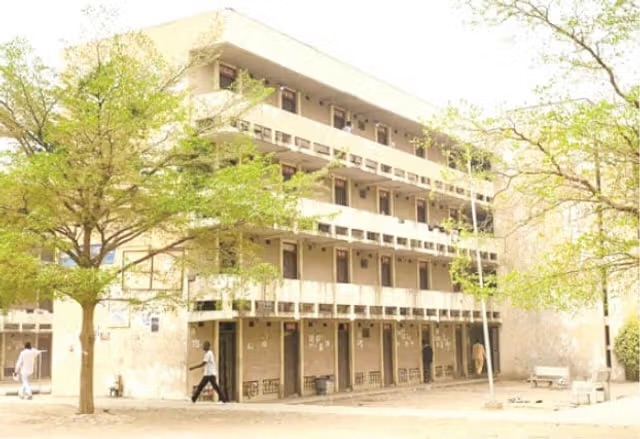
For a girl navigating a Nigerian university, this illusion becomes a daily physical toll.
Take campus life, for instance. You wake up at 5:30 AM in a cramped hostel or off-campus apartment. You fetch water in a heavy bucket because the taps have not run in three days. You use a small hand fan to keep yourself cool while applying your eyeliner so your sweat does not ruin your makeup before you even step outside.
You spend two hours getting ready because you refuse to look like the stress you are carrying. You walk to the lecture hall looking crisp and put-together, stepping over muddy gutters and dodging reckless okadas to preserve your outfit.
You sit through a four-hour lecture in a hall packed like a tin of sardines, listening to a lecturer explain theories from 1982, while your mind drifts to your immediate survival:
Will the power hold long enough for me to charge my phone and power bank tonight? How much is a pack of noodles today compared to last Friday? If I pay for these lecture handouts, will I still have enough to buy data to submit my online assignment?
You do all of this because you were told that university is the golden ticket. You were told that once you get that degree, you earn your place at the table.
So you push through. You read for exams under the dim light of your phone flashlight during blackout nights. You run small campus businesses on the side, selling hair bundles, wears & accessories, doing press-on nails, making wigs, or doing digital freelance work in between classes, just to keep your head above water. You do the work of three adults before you even hit twenty-four. And yet, when you look around at those who graduated two or three years before you, the truth hits you like a cold splash of water -the destination keeps moving.
They finished with good grades, completed their service year, and were greeted with entry-level job offers paying salaries that can barely cover a single month’s groceries, let alone rent. They are working 12-hour days just to afford transportation back to the office.
The finish line you have been sprinting toward is not real. It was drawn in the sand, and the wind has already blown it away.
God When? And the heavy burdens of hope.
What makes an RSVP to Nowhere so agonizing is not just the lack of progress; it is the mental gymnastics required to keep hoping.
Because we are Nigerians, we do not know how to stop hoping. We have transformed survival into an art form and elevated endurance into a personality trait.
When we see one person miraculously break out of the cycle, a girl who successfully japa’d abroad, someone who secured a remote dollar-paying job, or a friend whose small business randomly blew up on TikTok, we gather in the comment section to type “God when?”
We treat basic human dignity, such as stable electricity, a living wage, functional roads, and safety, like rare -magical lottery wins reserved for the lucky few. We gaslight ourselves into believing that if we just hustle harder, pray longer, or stay more positive, the empty hall will suddenly transform into the grand banquet we were promised.
We comfort ourselves with slangs like: “We outside,” even when being outside is draining our last savings. “No pressure,” while living under immense, suffocating pressure. “Vibes and Insha’Allah,” and so many other Nigerian slangs because standard planning is impossible in a country where the economy resets every 24 hours.
We use humor as a shield. We turn our collective heartbreak into viral Twitter memes and funny TikTok audio clips. We laugh so hard that our eyes water, because if we stop laughing for even five minutes, the sheer, crushing weight of the reality will catch up to us.
We are dressed in our best clothes, sitting in traffic, holding VIP tickets to a show that was canceled before we were even born.
Can we ever revoke the unspoken invitation?
To hold an RSVP to Nowhere is to live in a state of permanent anticipation, always preparing for a life that feels perpetually postponed, constantly dressing up for an occasion that never arrives.
It is the exhaustion of looking at your reflection after a long day, peeling off your lashes, wiping off your makeup, and realizing that despite every ounce of energy, intellect, and beauty you poured into the day, you did not actually move forward. You just survived.
How long can a generation keep dressing up for an empty venue? How long can young women continue to burn their youth as fuel just to keep a broken machine idling?
Maybe the real breakthrough does not come from hustling harder to fit into a non-existent space. Maybe it starts the moment we stop pretending that the venue is real.
Maybe it is time we revoke our RSVP to the illusion. Time to stop letting a broken system gaslight us into believing that our exhaustion is a personal failure. Time to take off the heavy armor of resilience, look at the empty hall for what it truly is, and start demanding and building something real, quiet, and genuine on our own terms.
High time we stop waiting for the mute to respond, because waiting for them has also muted us. Waiting for job interviews and offers has prevented you from creating your own opportunities -prevented and distracted you from starting your own business, an NGO or a project. Waiting for the country to give you something now that you are a graduate. Well, news flash -the country is also waiting for you to give it something.
Until then, we remain the most stunning, hardworking, brilliant people in the room, dressed up, standing tall, and waiting for the rest of the world to finally catch up. Far away from home might be the only place you want to be but while you are still here, do something and while you live home -still do something.
Writer: Sarah Ahu & Goodness Felix-Adebayo
Editor: Goodness Felix-Adebayo